Alopecia areata
Sudden round bald patches? What alopecia areata is, what causes it, whether hair grows back, alopecia areata in children and treatment.

Written and reviewed by Shuna Hammocks, consultant trichologist (IoT no. 10060)
Last reviewed
What is alopecia areata?
Finding a bald patch on your head is a shock. It often appears in a few days, and it may be a hairdresser, partner or parent who spots it first. The first questions are always the same: will it spread, and will it grow back?
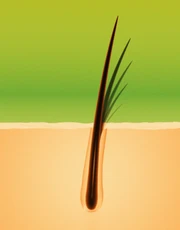
In alopecia areata, the immune system mistakenly targets the hair follicles and pushes them into a resting state.
Not every bald patch is alopecia areata. Ringworm, hair pulling, tight hairstyles and scarring conditions can look similar, so it’s worth having it diagnosed among the other types and causes of hair loss.
The short answer
Alopecia areata is an autoimmune condition that causes smooth, round patches of hair loss, usually on the scalp. It isn’t catching and it isn’t your fault.
Signs of alopecia areata
- One or more round bald patches
- Tingling, itching or tenderness before the hair falls, in some people
- Patches in the beard, eyebrows or eyelashes
Types of alopecia areata
It doesn’t look the same in everyone. These are the patterns I see.
- Patchy alopecia
- Ophiasic alopecia
- Beard and eyebrows
- Loss of all the hair on the scalp, or on the whole body, known as alopecia totalis and universalis. This is uncommon.
What causes alopecia areata?
Alopecia areata is an autoimmune condition, and the exact reason the immune system turns on the follicles isn’t fully understood.
Does hair grow back after alopecia areata?
Very often, yes. The follicles aren’t destroyed, so the hair can regrow at any time, even after months. Check-ups help me see whether patches are active or regrowing, and support you further.
Alopecia areata in children
Alopecia areata is one of the most common causes of patchy hair loss in children. Parents often find a patch while brushing their child’s hair, or a school nurse or hairdresser spots it.
Have any new bald patch in a child checked by your GP first, to rule out scalp ringworm, which needs antifungal medicine.
I see children and teenagers with hair loss with a parent, at a pace that suits them.
Alopecia areata treatment
There’s no cure, and no treatment works for everyone, but several can help hair regrow. The right choice depends on how much hair is affected, how long it’s been, your age and how you feel about it.
Waiting and watching
For a few small patches, regrowth often happens on its own. Many people choose to wait a while before contacting me.
How I can help
At a consultation in Forest Row we spend about an hour together. It’s calm, unhurried and confidential.
- A full history: when the patches appeared, any earlier episodes, your health, family history and how you’re coping
- A close examination of your hair and scalp, looking for signs of activity and regrowth
- Ruling out conditions that look similar
You leave knowing what you have, what to expect and what your options are, with a written plan for looking after your scalp and hair. Please bring a list of medicines and supplements, and any recent test results, to your consultation.
Questions about alopecia areata
If yours isn’t here, send me a message and I’ll get back to you.
Is alopecia areata contagious?
No. It’s an autoimmune condition, not an infection, so you can’t catch it or pass it on.
Is alopecia areata permanent?
Usually not. The follicles aren’t destroyed, so hair can regrow, and in about half of people with a few patches it does within a year.
Can stress cause alopecia areata?
Yes. Stress is one trigger that may cause an episode in some people, but many have no trigger at all.
Will the patches spread?
They may. Some people have one patch that regrows; others get new patches over weeks or months. It’s impossible to predict, which is why check-ups help.
Can alopecia areata affect the beard?
Yes. Round patches in the beard are called alopecia barbae. They often regrow, and can be treated in the same way as scalp patches.
Can alopecia areata start after having a baby?
No, but childbirth can be a trigger for another form of hair loss. Smooth bald patches aren’t part of normal postpartum shedding, so get them checked.
Let’s find out what’s going on
Book online at a time that suits you. If you have a question first, send me a message.