Hair loss in children and teenagers
Why is my child or teenager losing hair? The common causes, deficiencies, temporal triangular alopecia, supporting your child and when to see a GP.

Written and reviewed by Shuna Hammocks, consultant trichologist (IoT no. 10060)
Last reviewed
Why is my child losing hair?
Finding a bald patch on your child, or handfuls of hair on their pillow, is frightening. It may be you who notices, or a hairdresser, school nurse or your child themselves.
Hair loss in children has different causes from adults. Pattern hair loss is rare before the teenage years, and infections, habits and nutrition play a much bigger part. It isn’t something you or your child have done wrong.
As a mother, I know how worrying this is. I see children with a parent, and the consultation goes at a pace that suits your child.
The short answer
The most common causes of hair loss in children are scalp ringworm, alopecia areata, hair pulling, tight hairstyles, and shedding after an illness. Most have a clear explanation, and the hair usually grows back. Have any new bald patch in a child checked by your GP first.
What causes hair loss in children?
These are the causes I see most often. Some look alike, and a child can have more than one, so a proper diagnosis matters. Teenagers can also get pattern hair loss: see hair loss in teenagers, below.
- Scalp ringworm, a fungal infection that can spread to others. Have any new bald patch in a child checked by your GP first.
- Alopecia areata, round bald patches that appear suddenly
- Hair pulling, also known as trichotillomania
- Tight hairstyles, known as traction alopecia
- Shedding after illness, such as a high fever
- Deficiencies, especially in fussy eaters and fast-growing children
- Temporal triangular alopecia, a small patch at the temple (below)
- Cradle cap in babies, and head lice at any age
- Hair breakage, hair that snaps rather than falls out
Can vitamin deficiency cause hair loss in children?
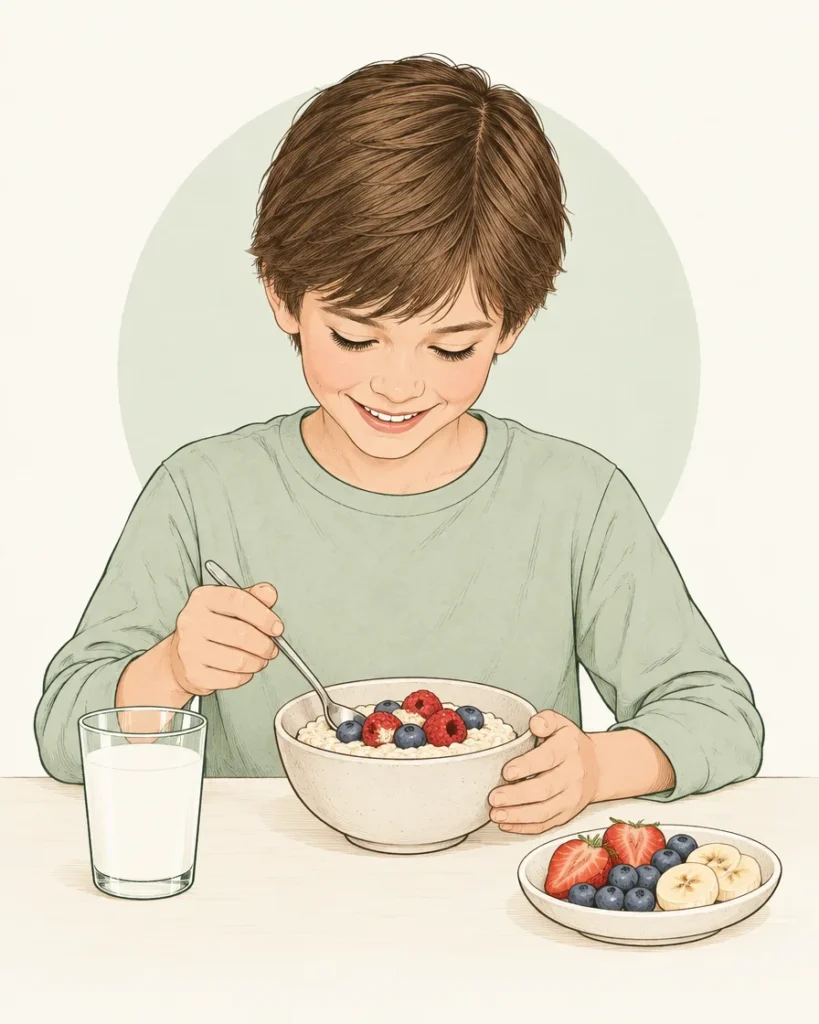
Yes. Hair is one of the first things the body cuts back on when it’s short of nutrients, so a deficiency can cause shedding, slow growth or thin hair that won’t grow long. It’s more likely in fussy eaters, children on restricted diets, during growth spurts, and after illness.
Please don’t give supplements, especially iron, without your GP’s advice. Too much iron is dangerous for children, and supplements a child isn’t short of won’t help their hair. Sometimes further tests are required, but I would liaise with your GP to arrange them, or you can have them done privately.
Will my child’s hair grow back?
In most cases, yes. How long it takes depends on the cause, and once that’s found and dealt with, children’s hair usually recovers well.
One six-year-old I saw had hair that simply wouldn’t grow past her chin. Once we found the cause and it was put right, her hair grew well past her shoulders. Her own words were that she “no longer looked like a boy”, which says a lot about how much hair matters to children.
Temporal triangular alopecia
Temporal triangular alopecia is a small, triangle- or oval-shaped patch of very fine hair at one temple, or occasionally both. It’s usually noticed in early childhood, and parents may say it has “always been there”.
- It doesn’t itch or hurt
- It isn’t caused by illness, diet or anything you have done
- It isn’t catching
Temporal triangular alopecia is harmless. It’s often mistaken for alopecia areata or traction, so it’s worth having a firm diagnosis before trying anything.
Hair loss in teenagers
Teenagers get the same hair problems as adults, with the added pressures of school, exams, sport, hormones and social media. Hair loss can hit confidence hard at this age, so it’s worth taking seriously.
Shedding
Exams, illness, poor sleep or crash dieting can trigger shedding.
Periods and diet
Heavy periods and restrictive eating can affect hair. Talk to your GP if you’re worried about eating.
Hormones
Irregular periods, acne and extra facial hair alongside thinning can point to PCOS.
Styling and damage
Tight ponytails, extensions, bleach and heat can cause breakage and traction.
Gym supplements
Anabolic steroids can speed up pattern hair loss in young men who are prone to it.
I see teenagers with a parent, and I explain things directly to them, not just to you.
Supporting your child
- Let your child have a say in who is told. Some like to talk about it; others prefer privacy.
- Try not to check their hair constantly. Calm, age-appropriate conversations help more than close watching.
- Hats, headbands or a new style can help a child feel more confident.
- Watch for teasing, and let the school know if it happens.
- If your child seems very anxious or low, talk to your GP.
How I can help
At a consultation in Forest Row we spend about an hour together. I listen to you and to your child, take a full history and examine their hair and scalp gently with a dermascope. I hold a current DBS check, and your child can ask me anything.
You leave knowing what’s causing it and what to expect. Please bring photos of how the hair has changed and any test results to the consultation.
Questions about hair loss in children and teenagers
If yours isn’t here, send me a message and I’ll get back to you.
Is hair loss in children common?
It isn’t rare. Ringworm, alopecia areata, hair pulling and shedding after illness are the most common causes, and most are treatable.
Which vitamin deficiency causes hair loss in children?
Low iron is the deficiency most often linked with hair loss in children, though others can play a part. Please don’t give supplements without your GP’s advice.
What causes hair loss in toddlers?
Rubbing the back of the head on the mattress, cradle cap, ringworm, alopecia areata and shedding after a fever are the most common causes in toddlers.
Can stress cause hair loss in children?
It can play a part in alopecia areata and hair pulling, and illness or upheaval can trigger shedding. Many children with hair loss have no obvious trigger.
When should I take my child to the GP?
For any new bald patch, a scaly or sore scalp, hair loss with other symptoms such as tiredness or weight change, or if your child is unwell.
Will my child’s hair grow back?
In most cases, yes. Once the cause is found and dealt with, children’s hair usually recovers well.
Let’s find out what’s going on
Book online at a time that suits you. If you have a question first, send me a message.