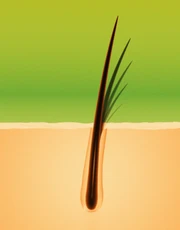
Postpartum hair loss
Hair falling out after having a baby? Why postpartum hair loss happens, the signs, the myths, and when it’s worth getting checked.
Written and reviewed by Shuna Hammocks, consultant trichologist (IoT no. 10060)
Last reviewed
What is postpartum hair loss?
Many women love their hair in pregnancy: thicker, shinier and shedding less than ever. Then, a few months after the birth, it starts coming out in handfuls, in the shower, on the brush and all over the baby. Just when you’re short of sleep and adjusting to a new baby, it can be really upsetting.
Postpartum hair loss, also called postnatal hair loss, is a form of telogen effluvium. It’s very common, it doesn’t damage the hair follicles, and the hair grows back.
As a mother myself, I know how unsettling it is. Most of the time it’s simply your hair cycle catching up. Sometimes something else is going on as well, and that’s when it’s worth having it looked at.
The short answer
Postpartum hair loss is heavy shedding a few months after having a baby. During pregnancy you keep more hairs than usual; after the birth they shed together. It’s temporary, it doesn’t damage the follicles, and the hair grows back.
Why do you lose hair after pregnancy?
It isn’t that you’re losing extra hair. You’re losing the hair you didn’t shed while you were pregnant, all within a few months. That’s why it can feel so dramatic.
You may notice:
- Much more hair when you wash or brush it
- Less volume all over, and a thinner ponytail
- Thinning at the temples and along the front hairline
- Short, fluffy new hairs sticking up around your face as it grows back
The birth itself, and the sleepless months that follow, are a strain on the body too.
Postpartum hair loss affects the whole scalp. Smooth bald patches are not part of normal postpartum shedding: they can be alopecia areata. Get them checked.
When does postpartum hair loss start and stop?
Every woman is different, and how long it lasts varies, but the shedding usually follows the same pattern.
During pregnancy
Higher oestrogen keeps more hairs in the growing stage, so you shed less and your hair can feel thicker.
A few months after the birth
Hormone levels fall back to normal, and the hairs that were held on to shed together.
As it settles
Shedding slows down and short new hairs appear, especially along the hairline.
When it’s more than postpartum shedding
Childbirth is a common trigger, but it isn’t always the only one. It’s worth having it looked at if:
- heavy shedding carries on for many months
- there’s no sign of regrowth
- your parting is widening or more of your scalp is showing
- you have bald patches, or a red, sore or itchy scalp
- you’re also very tired or low
Hair loss after one pregnancy doesn’t always follow the same course after the next. If the shedding after your second or third baby is different, or your hair is getting finer, have it assessed rather than putting it down to normal shedding.
Other causes to rule out
- Deficiencies
- Thyroid problems
- Female pattern hair loss
- Alopecia areata
- Changes in contraception
- Tight styles
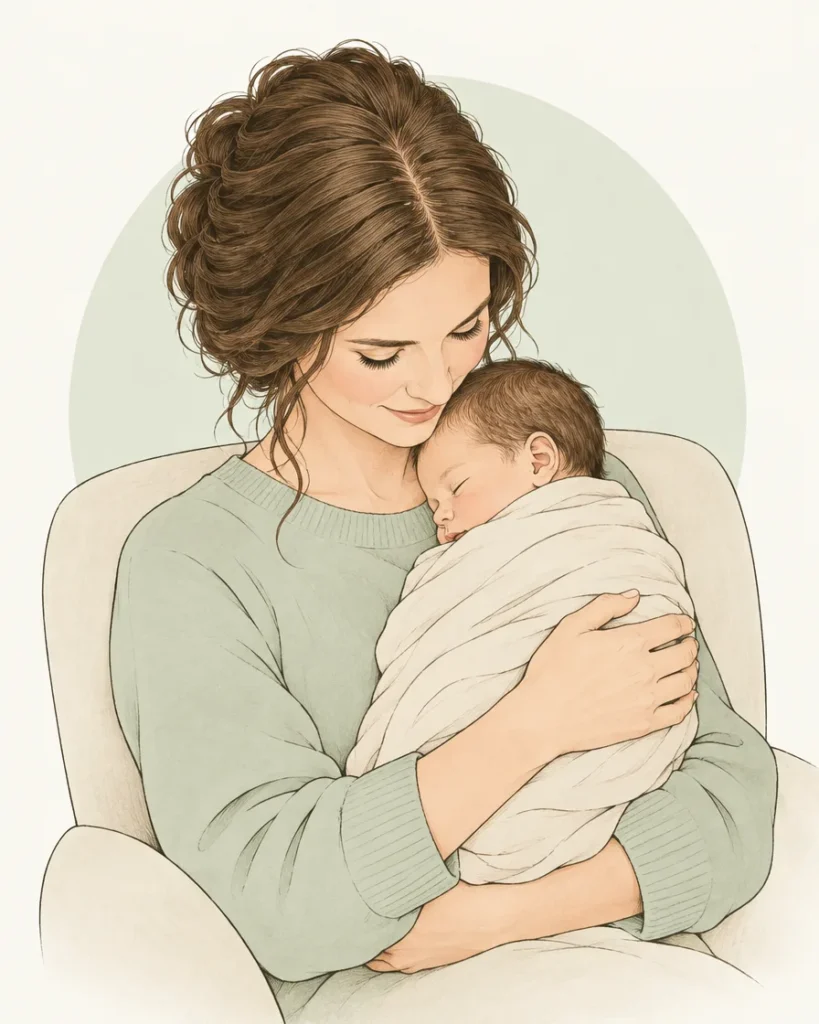
Postpartum hair loss myths
A new mother hears a lot of advice. These are the worries I hear most.
- “Washing my hair makes it worse.” No. The hairs that come out were already going to fall.
- “It’s because I’m breastfeeding.” There’s no good evidence that breastfeeding makes postpartum hair loss worse.
- “I’m going bald.” No. Postpartum shedding doesn’t damage the follicles, and the hair grows back.
- “I must have done something wrong.” No. It’s your hair cycle catching up, and it isn’t your fault.
Postpartum hair loss treatment
Most postpartum hair loss needs no treatment: it recovers on its own as your hair cycle settles. When it doesn’t, the answer depends on what’s keeping it going.
- Confirm it’s postpartum shedding
- Find anything else keeping it going
- Look after your scalp
- Supplements only if you need them
If you’re breastfeeding, check with your GP or pharmacist before taking any supplement or using a hair loss treatment.
How I can help
At a consultation in Forest Row we spend about an hour together. I listen to what has changed and when, examine your hair and scalp closely with a dermascope and take a full history.
Sometimes further tests are required, but I would liaise with your GP to arrange them, or you can have them done privately. You leave knowing whether this is normal postpartum shedding or something else, and with a written plan from the consultation.
Questions about postpartum hair loss
If yours isn’t here, send me a message and I’ll get back to you.
Is hair loss after pregnancy normal?
Yes. Heavy shedding a few months after having a baby is very common, and it’s temporary.
How long does postpartum hair loss last?
It varies from woman to woman. It’s temporary and usually settles on its own as your hair cycle catches up; if it carries on, there may be another cause.
Will my hair grow back after pregnancy?
Yes. Postpartum hair loss doesn’t damage the follicles. Short new hairs along your hairline are the first sign it’s growing back.
Why is my hair still falling out a year after giving birth?
Shedding that goes on this long usually has another cause as well, such as a deficiency, a thyroid problem or female pattern hair loss. It’s worth having it assessed.
Can you get bald spots after pregnancy?
Normal postpartum shedding thins the hair all over and at the temples, but it doesn’t cause smooth bald patches. Round bald patches may be alopecia areata, so get them checked.
Can you lose hair during pregnancy?
It’s less common, as most women shed less while pregnant. If it happens, speak to your midwife or GP.
Let’s find out what’s going on
Book online at a time that suits you. If you have a question first, send me a message.