Traction alopecia
Hair loss from tight hairstyles: the signs of traction alopecia, which styles cause it, whether it grows back, and Afro hair.

Written and reviewed by Shuna Hammocks, consultant trichologist (IoT no. 10060)
Last reviewed
What is traction alopecia?
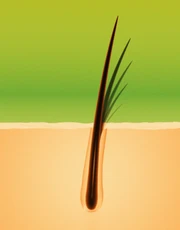
Every time hair is pulled tight, the follicles are put under strain. Over time, constant tension makes them inflamed, then weaker, and the hairs they grow become finer and fewer. The hairline, temples, the area above the ears and the nape take the most strain.
Anyone who wears tight styles can get it, whatever their hair type, including children, ballet dancers, athletes and people who wear wigs or extensions. It’s especially common with Afro-textured hair, where braids, weaves and protective styles are worn for long periods.
It isn’t vanity to worry about your edges. Many people feel self-conscious about a thinning hairline, and it’s much easier to help when it’s caught early.
The short answer
Traction alopecia is hair loss caused by hairstyles that pull on the hair for a long time, such as tight ponytails, braids, weaves and extensions. It usually affects the hairline and temples. Caught early, the hair can grow back once the pulling stops. Left too long, the follicles scar and the loss becomes permanent.
Signs of traction alopecia
- Thinning at the hairline, temples or above the ears
- Soreness, headaches or tightness after a new style
- Small red bumps or pimples around the hairs where they’re pulled
- Short, broken hairs along the edges
- Smooth, shiny skin where hair used to grow, in long-standing cases
Pain or soreness after styling is the earliest warning sign. If a style hurts, it’s too tight.
Thinning along the hairline has other causes too, including frontal fibrosing alopecia, and pulling hair out by hand is a different condition, trichotillomania.
What causes traction alopecia?
Any style that pulls on the hair can cause it. The tighter the style, the longer it stays in and the more often it’s repeated, the higher the risk.
- Tight ponytails and buns
- Braids, cornrows and twists
- Weaves, extensions and wigs
- Heavy locs
- Relaxers or bleach combined with tension
- Tight headbands, wraps and grips
Can traction alopecia grow back?
Yes, if it’s caught early. While the follicles are still alive, hair can grow back once the tension stops. If the pulling has gone on for years, scarring can set in, and hair in those areas won’t return.
Traction alopecia treatment
Taking the tension away always comes first. What helps after that depends on how long it has been going on, the state of your scalp and whether any follicles have scarred, so there’s no one plan that suits everyone.
- Take the tension away
- Settle the scalp
- Find out what can regrow
- Protect your hairline for the future
Afro hair and scalp care
Afro-textured hair is beautiful and versatile, but its tight curl pattern makes it more fragile, and many popular styles put tension on the edges. You don’t have to give up the styles you love: it’s usually about how they’re done and how long they stay in, and that’s something we go through together.
Thinning that starts at the crown and spreads outwards is not traction. It may be central centrifugal cicatricial alopecia, a scarring condition, so see your GP or a dermatologist promptly. Hair that snaps along its length is breakage rather than traction.
How I can help
At a consultation in Forest Row we spend about an hour together. I examine your hairline and scalp closely with a dermascope to see how much is traction, whether the follicles are still active, and whether anything else is involved.
We talk through your styles and how you wear them, and you leave with a written plan made for your hair type. All hair types are welcome at my consultations.
Questions about traction alopecia
If yours isn’t here, send me a message and I’ll get back to you.
Is traction alopecia permanent?
Not at first. Early traction alopecia can grow back once the tension stops. After years of pulling, scarring can make it permanent.
How long does it take for traction alopecia to grow back?
It varies with how long the pulling has gone on. Early cases often recover once the tension stops, but areas that have scarred won’t regrow.
Can children get traction alopecia?
Yes. Tight school ponytails, buns and braids can cause it, and children’s hairlines are delicate.
Do helmets or hats cause traction alopecia?
No, a well-fitting helmet or hat doesn’t. Tight styles worn underneath them can.
Can I still wear braids?
Yes, as long as they don’t pull. Soreness after installation is a sign they’re too tight.
Let’s find out what’s going on
Book online at a time that suits you. If you have a question first, send me a message.