Trichotillomania
Trichotillomania (hair pulling disorder): the signs, why it happens, whether hair grows back, where to get help and children.
Written and reviewed by Shuna Hammocks, consultant trichologist (IoT no. 10060)
Last reviewed
What is trichotillomania?
Trichotillomania, or hair pulling disorder, is one of a group of conditions called body-focused repetitive behaviours, alongside skin picking and nail biting. People with it feel an urge to pull, often with a sense of relief afterwards, and find it very hard to stop.
It’s more common than most people think, and many hide it for years. Pulling can be automatic, while reading, watching TV or driving, or focused, when you deliberately seek out hairs that feel coarse or out of place.
People with trichotillomania often feel ashamed. There’s no judgement here: it’s a condition, and it can be helped.
The short answer
Trichotillomania is a strong, repeated urge to pull out your own hair, from the scalp, eyebrows, eyelashes or elsewhere. It’s a recognised condition, not a bad habit or a lack of willpower. Talking therapy, through your GP, is the main help for the pulling, and hair usually grows back once pulling stops.
Signs of trichotillomania
- Patches of thinning or hair loss, often on the crown or one side
- Gaps in the eyebrows or eyelashes
- Patches that move or change shape over time
- Playing with, twisting or examining hairs before pulling them
Is it trichotillomania or something else?
Patchy hair loss has other causes, such as alopecia areata, scalp ringworm in children and traction alopecia from tight hairstyles, and they need different help.
Some people chew or swallow the hair they pull. If you or your child does this, please tell your GP, as swallowed hair can build up in the stomach.
Why does trichotillomania happen?
The exact cause isn’t known. It often starts in the early teens, though young children and adults can develop it too. These are the things most often linked with it:
Stress and anxiety
Pulling often increases at stressful times, and can become a way of soothing difficult feelings.
Boredom and focus
Many people pull while reading, studying, working at a screen or lying in bed, often without noticing.
Sensory relief
The feel of a coarse or kinked hair, or the moment of pulling, can be satisfying, which makes it hard to resist.
Family and other conditions
It can run in families, and is more common alongside anxiety, OCD and ADHD.
Does hair grow back after trichotillomania?
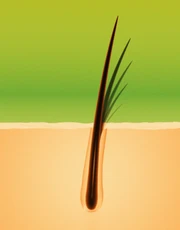
Usually, yes. Pulling a hair out doesn’t normally destroy the follicle, so once pulling stops, the hair can grow back. It takes patience, and it varies from person to person.
- Regrowth can look different at first: finer, curlier or a slightly different colour, before settling.
- Regrowth can trigger pulling, because short, coarse new hairs feel tempting.
- Years of pulling in the same place can damage some follicles, so a few areas may stay thinner.
Trichotillomania treatment
There’s no quick fix, but many people reduce or stop pulling with the right support. Help works best when it covers both the pulling itself and the hair as it grows back.
Habit reversal training
A talking therapy that helps you notice and change pulling. Your GP can tell you how to access it.
Cognitive behavioural therapy
CBT helps with the thoughts and feelings behind pulling, and with the anxiety or low mood that often comes with it.
Support from others
Support groups, online communities and people close to you can make a real difference, and help you feel less alone.
Care for the hair and scalp
I look at your scalp, explain what’s happening and support you through the regrowth stage.
Trichotillomania in children
In young children, hair pulling or twisting often starts as a self-soothing habit, at bedtime or when tired, and many grow out of it. In older children and teenagers it’s more likely to be trichotillomania that needs support.
If you notice your child pulling, try to stay calm: shame tends to make it worse. Speak to your GP, who can find help suited to their age, and have any new patch checked, as ringworm and alopecia areata are common in children.
I cover other causes of hair loss in children and teenagers on a separate page.
How I can help
At a consultation in Forest Row we spend about an hour together. I look closely at your hair and scalp with a dermascope to confirm what’s happening and rule out other causes, and we talk at your pace. There’s no judgement, and you don’t need to explain more than you want to.
I can support you through regrowth and help you look after your hair and scalp while you get help with the pulling itself. At a consultation I see children and teenagers with a parent.
Questions about trichotillomania
If yours isn’t here, send me a message and I’ll get back to you.
Is trichotillomania a mental health condition?
It’s classed as a body-focused repetitive behaviour, related to OCD. It isn’t a sign of weakness, and it responds to the right support.
Can you grow out of trichotillomania?
Young children often do. In teenagers and adults it can come and go for years, but many people reduce or stop pulling with help.
How long does hair take to grow back after pulling?
It varies from person to person. Hair usually grows back once pulling stops, but patches fill in gradually, so patience helps.
Can trichotillomania cause permanent hair loss?
Usually not, but years of pulling from the same area can damage some follicles so they grow back thinner, or not at all.
Is it trichotillomania or traction alopecia?
Trichotillomania is pulling hair out by hand; traction alopecia is caused by tension from tight hairstyles. They need different help.
Let’s find out what’s going on
Book online at a time that suits you. If you have a question first, send me a message.