Scalp folliculitis
Itchy or sore bumps around the hairs? What scalp folliculitis is, its symptoms and causes, whether it’s contagious, and when to get it checked.

Written and reviewed by Shuna Hammocks, consultant trichologist (IoT no. 10060)
Last reviewed
What is scalp folliculitis?
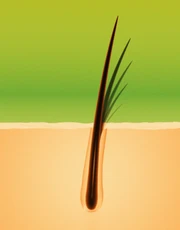
Each hair grows from a tiny pocket in the skin called a follicle. When follicles become inflamed or infected, you get folliculitis. On the scalp it shows up as tender bumps you find when you brush, wash or run your fingers through your hair.
Folliculitis on the scalp is common and usually mild. It can be stubborn, though, and it’s easily mistaken for other scalp conditions. A few rare forms damage the follicles and cause permanent hair loss, which is why spots that won’t settle are worth getting checked.
Spots on the scalp have several possible causes, and scalp conditions explains how the common ones differ.
The short answer
Scalp folliculitis is inflammation of the hair follicles. It causes small red bumps or white-headed spots around the hairs, which can itch, sting or feel sore. It’s usually caused by bacteria or a yeast that lives on the skin. Spots that keep coming back need a diagnosis.
Symptoms of scalp folliculitis
- Small red bumps around individual hairs, often in clusters
- White or yellow-headed spots that may burst and crust
- Itching, burning or stinging
- A scalp that feels sore or tender to touch, brush or wash
- Spots that come in crops and keep coming back
- In deeper cases, larger painful lumps or boils
Folliculitis is most common along the hairline, at the back of the head and on the crown. It can be embarrassing, and the soreness can make every wash something to dread. Scratching breaks the skin and lets more bacteria in, so it can easily turn into a cycle.
See your GP the same day if the spots spread quickly, a lump becomes large, hot and painful, or you feel feverish or unwell. These can be signs of a deeper infection that needs treatment.
What causes folliculitis on the scalp?
Folliculitis starts when a follicle is damaged or blocked, and bacteria or yeast take hold. The main types are:
- Bacterial folliculitis
- Yeast folliculitis
- Irritation from products, hats and sweat
- Shaving and ingrown hairs
- Hot tub folliculitis
- Folliculitis decalvans, a rare form that leaves patches of scarring hair loss
Knowing which type you have matters, because they’re treated differently. Some people are more prone to it, and scratching an itchy scalp from seborrhoeic dermatitis or psoriasis can also start it off.
Is folliculitis contagious?
Bacterial folliculitis can spread, both to other parts of your own skin and, occasionally, to other people. It passes on through shared towels, razors, combs, brushes, pillowcases and hats, rather than by everyday contact, so it’s sensible to keep your own.
Folliculitis caused by yeast, irritation or shaving isn’t catching. You don’t need to stay off work or school with folliculitis, and it isn’t a sign of poor hygiene.
Is there a shampoo for folliculitis?
There’s no one shampoo for folliculitis, because the right choice depends on the type and what’s triggering it. A product that helps one kind can do nothing for another, and the wrong one can irritate an already inflamed scalp.
Many people I see have tried several shampoos before they come to me. If your spots keep coming back, it’s time to find out what’s really going on, and a consultation is where we do that.
Scalp folliculitis treatment
Treatment depends on what’s causing the spots. My aim is to find that cause, calm your scalp and stop it flaring up again. Some cases need prescription treatment from your GP, and folliculitis decalvans needs a dermatologist early, to protect the follicles.
- Find the type and the trigger
- Calm the scalp
- Treat any scalp condition behind it
- Keep it from coming back
How I can help
Scalp spots are easily misdiagnosed. At a consultation in Forest Row we spend about an hour together. I listen to your experience, examine your hair and scalp closely with a dermascope and take a full history.
You leave knowing what you have, what’s keeping it going and what to expect, with a written plan. Please bring a list of the shampoos and products you use, and any treatments you’ve already tried.
Questions about scalp folliculitis
If yours isn’t here, send me a message and I’ll get back to you.
Does folliculitis cause hair loss?
Usually not, and the hair grows back normally once it settles. Deep or repeated infection, and folliculitis decalvans, can scar the follicles and cause permanent hair loss, so get spots that keep coming back checked.
Will scalp folliculitis go away on its own?
Mild folliculitis often settles by itself. If it lasts, keeps returning or is spreading, it needs a diagnosis.
Why does my scalp folliculitis keep coming back?
Usually because the trigger is still there, whether that’s a product, a habit or another scalp condition that makes you scratch. Finding it is the key to stopping it.
Should I pop the spots?
No. Squeezing or picking pushes infection deeper, spreads it and can leave scars.
What is folliculitis decalvans?
A rare scarring form of folliculitis, where repeated crops of spots destroy the follicles and leave patches of permanent hair loss. It needs early treatment from a dermatologist.
Can children get folliculitis?
Yes, though spots on a child’s scalp are also often caused by head lice or ringworm. If you’re not sure, get them checked by your GP or pharmacist.
Let’s find out what’s going on
Book online at a time that suits you. If you have a question first, send me a message.