Seborrhoeic dermatitis
Red, itchy patches with greasy flakes on your scalp? What seborrhoeic dermatitis is, what triggers it, hair loss and how a consultation helps.

Written and reviewed by Shuna Hammocks, consultant trichologist (IoT no. 10060)
Last reviewed
What is seborrhoeic dermatitis?
Seborrhoeic dermatitis affects the oiliest parts of the skin. The scalp is the most common place, but it often appears on the eyebrows, the sides of the nose, around the ears, along the hairline and in a beard as well.
It’s the same process as dandruff, but stronger: the skin reacts to a natural yeast called Malassezia, becomes inflamed and sheds faster. It tends to come and go for years, often flaring with stress or in winter.
Many people who come to me say they have dandruff or a dry scalp. Sometimes that’s right; often it’s seborrhoeic dermatitis, and it needs a different approach.
The short answer
Seborrhoeic dermatitis, also called seborrhoeic eczema, is a common skin condition that causes red, itchy patches with greasy, yellowish or white scales. On the scalp it looks like stubborn dandruff. It’s linked to a yeast that lives on the skin. It can’t be cured, but it can be kept under control.
Seborrhoeic dermatitis on the scalp
You may notice:
- Greasy, yellowish or white scales, which can stick to the scalp
- Red or pink patches, which can look darker or lighter than your skin on brown or black skin
- Itching, sometimes with soreness or burning
- Flaking along the hairline, behind the ears or on the eyebrows
- Symptoms that settle, then flare up again
Because it can show on the face as well as the scalp, it’s hard to hide, and many people tell me that’s what bothers them most. It’s also tiring to live with something that keeps coming back.
In babies, the same condition is called cradle cap: thick, yellow, crusty patches that are harmless and usually clear on their own.
It can look a lot like scalp psoriasis or a reaction to a product, and some people have more than one, which is why a proper diagnosis matters.
What causes seborrhoeic dermatitis?
The exact cause isn’t known. It isn’t an allergy, it isn’t caused by poor hygiene and it isn’t catching. The skin over-reacts to Malassezia, a yeast that lives on everyone’s skin, and some people are simply more prone to it. It’s more common in men. These are the things that most often set off a flare:
- Stress and tiredness
- Cold, dry weather
- Illness
- Some medicines
- Heavy oils and products
Seborrhoeic dermatitis shampoo
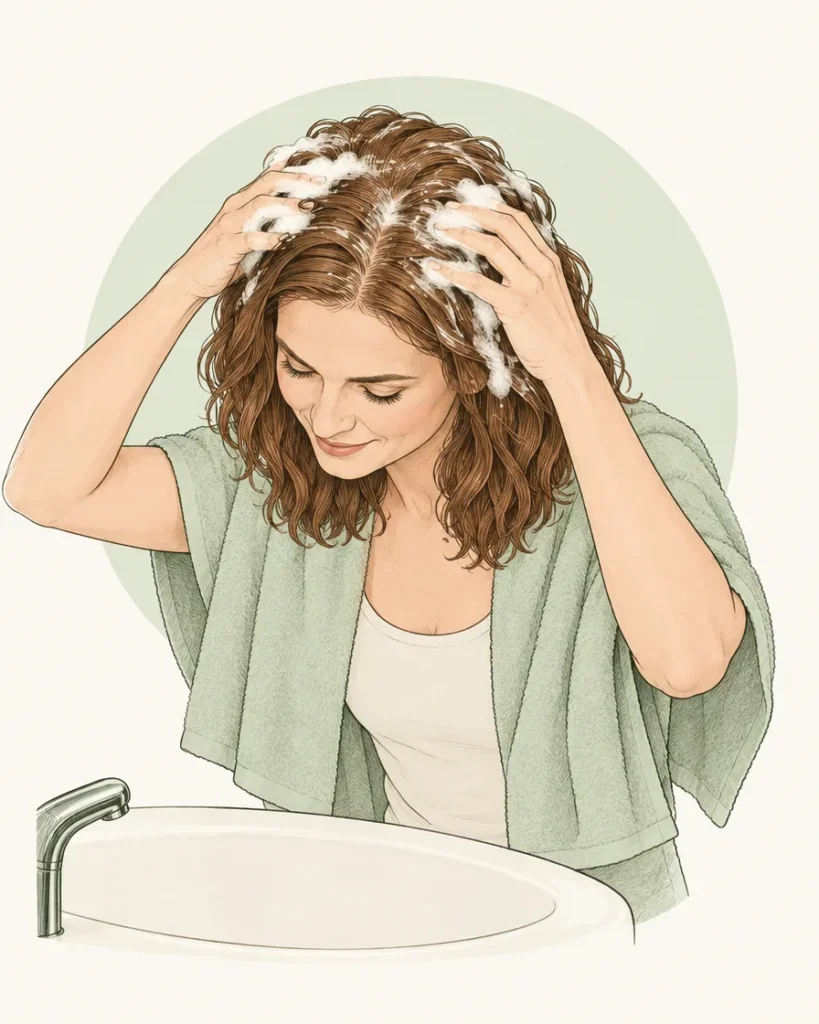
There’s no single best shampoo for seborrhoeic dermatitis. Medicated shampoos work in different ways, and which one suits you depends on how inflamed your scalp is, how much scale there is and what else is going on.
In my clinic I often see people using the wrong shampoo, or the right one in the wrong way, and wondering why their scalp never settles. Choosing what to wash with is part of the plan we make together.
Seborrhoeic dermatitis treatment
There’s no cure, but most people get good control. The right approach depends on how your skin behaves and what sets it off, and the aim is a calm scalp with as little effort as possible.
- Confirm the diagnosis
- Find your triggers
- Calm the scalp
- Keep it under control
Patches on the face and ears are part of the same picture, and I look at those too.
Can seborrhoeic dermatitis cause hair loss?
It can add to it, but it doesn’t usually cause hair loss on its own. A very inflamed scalp can bring on extra shedding, and scratching and picking at scale break hairs. This hair loss is temporary and grows back once the scalp is calm.
Seborrhoeic dermatitis often turns up alongside another kind of hair loss, such as telogen effluvium or female pattern hair loss. If your hair is getting thinner, I look at both.
When to see your GP
See your GP if:
- your skin is very red, hot, swollen or painful
- it’s weeping, crusting or spreading quickly
- you feel unwell or have a fever
- you have patches of hair loss
How I can help
At a consultation in Forest Row we spend about an hour together. I listen to how it affects you, examine your scalp closely with a dermascope, and take a full history.
You leave with a clear explanation of what you have, what to expect and a written plan for keeping it calm. Please bring a list of the products you use and anything you’ve already tried.
Questions about seborrhoeic dermatitis
If yours isn’t here, send me a message and I’ll get back to you.
Is seborrhoeic eczema the same as seborrhoeic dermatitis?
Yes. They are two names for the same condition.
Is seborrhoeic dermatitis the same as dandruff?
They’re closely related. Dandruff is flaking without much redness; seborrhoeic dermatitis is the same process with more inflammation, greasy scale and often patches on the face.
What causes seborrhoeic dermatitis?
The skin over-reacts to a yeast that lives on everyone’s skin. Stress, illness and cold weather often set off a flare. It isn’t caused by poor hygiene.
Can seborrhoeic dermatitis be cured?
Not permanently, as it tends to come back. But most people can keep it under good control once they know what sets theirs off.
Is seborrhoeic dermatitis contagious?
No. It isn’t an infection, so you can’t catch it or pass it on.
Why does my seborrhoeic dermatitis keep coming back?
Because the tendency stays. Flares often follow stress, illness or winter weather, which is why understanding your own triggers matters so much.
Let’s find out what’s going on
Book online at a time that suits you. If you have a question first, send me a message.