Telogen effluvium
Heavy hair shedding a few months after illness, stress or childbirth: what telogen effluvium is, what triggers it and how I find the cause.

Written and reviewed by Shuna Hammocks, consultant trichologist (IoT no. 10060)
Last reviewed
What is telogen effluvium?
Telogen effluvium is one of the most common causes of hair loss I see. Hair comes out in much larger amounts than usual: in the shower, on your brush, on your pillow and on your clothes. It’s frightening, and many women tell me they feel less like themselves.
The good news is that it doesn’t cause complete baldness and it doesn’t damage the hair follicles. The shedding is a sign that something upset your body a few months ago. I will find that cause, and your hair can recover.
Types and causes of hair loss explains how the common causes differ.
Signs of telogen effluvium
- Much more hair coming out than usual, from all over your head
- Handfuls of hair after washing or brushing
- A ponytail that feels noticeably thinner
- Hair that seems to have stopped growing
- Thinner hair at your temples and along your hairline
Hairs that snap part-way along are more likely to be hair breakage rather than telogen effluvium.
With telogen effluvium you notice more hairs than you are used to, for weeks or months. Gradual thinning on top with a widening parting is more likely to be female pattern hair loss, and the two often happen together.
Why the shedding starts months later
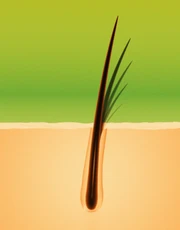
Telogen is the resting stage of the hair growth cycle, and effluvium means shedding. Knowing how the cycle works explains why hair falls out so long after the event that caused it.
Growing
Most of your hairs, around 85 to 90 in every 100, are growing at any one time. Each hair grows for several years.
Resting
The rest are resting. A resting hair stays in place for around three months, then falls out to make way for a new one.
Shedding
A shock to the body pushes many more growing hairs into the resting stage at once. Around three months later, they all shed together.
What causes telogen effluvium?
- Illness and fever
- Surgery or an accident
- Having a baby: shedding a few months after birth is very common, also known as postpartum hair loss
- Diet and weight loss
- Deficiencies
- Hormones and medication
Sometimes there are two or three triggers at once, and sometimes the trigger isn’t obvious. That’s why I take a full history.
Can stress cause hair loss?
Yes. Stress hair loss usually shows as heavy shedding all over the head, two to three months after the stressful time.
Stress is also linked to other kinds of hair loss:
- Alopecia areata, round bald patches that appear suddenly
- Trichotillomania, an urge to pull out your own hair
Hair loss is stressful in itself, and that worry can keep the shedding going. Understanding what’s happening, and knowing it will settle, often helps more than anything else.
Telogen effluvium treatment
There’s no single treatment that stops telogen effluvium, because the answer depends on the cause. My aim is to find it, deal with it and help you keep it from coming back.
- Find the trigger(s)
- Review medication
- Look after your scalp
- Supplements only if you need them
How I find the cause
At a consultation in Forest Row we spend about an hour together. I examine your hair and scalp closely and take a full history.
Please bring copies of any recent blood tests and a list of your medicines and supplements. A result can be in the normal range but still lower than ideal for hair, so I’ll explain what yours mean at the consultation.
Questions about telogen effluvium
If yours isn’t here, send me a message and I’ll get back to you.
Is telogen effluvium permanent?
No. It doesn’t damage the hair follicles, so hair grows back once the cause is dealt with, and it doesn’t cause baldness.
Will my hair grow back after telogen effluvium?
Yes, in almost all cases. Short new hairs usually appear first along the hairline.
Can children get telogen effluvium?
Yes. Other causes of hair loss in children look different.
Does washing my hair make it worse?
No. In fact, research shows it can help some people.
Let’s find out what’s going on
Book online at a time that suits you. If you have a question first, send me a message.