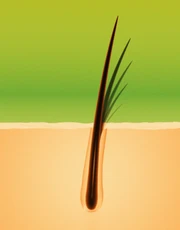
Eyebrow hair loss
Why eyebrows thin or fall out: the common causes, autoimmune eyebrow loss, eyebrow loss in men, whether they grow back and when to get help.

Written and reviewed by Shuna Hammocks, consultant trichologist (IoT no. 10060)
Last reviewed
Why are my eyebrows falling out?
Eyebrow hairs grow and shed in a cycle, just like scalp hair, so losing a few is normal. Thinning that you can see, gaps that appear suddenly, or eyebrows that have stopped growing back are different, and usually have a cause that can be found.
Eyebrows frame the face, so even a small change can leave you feeling you look tired or not quite yourself. Eyebrow hair loss can affect men and women at any age, and its medical name is madarosis.
The short answer
Eyebrows thin naturally with age, and years of plucking or waxing can stop them growing back. When eyebrows fall out more suddenly, common causes are a thyroid problem, alopecia areata, frontal fibrosing alopecia, eczema and stress. Losing eyebrows with hair loss on your head is worth having checked.
What causes eyebrow hair loss?
These are the most common causes. Some people have more than one, and several look alike.
Plucking, threading and waxing
Years of removing hairs can damage the follicles.
Ageing and the menopause
Eyebrows naturally become sparser with age, and hormone changes around the menopause can thin them too.
Thyroid problems
An underactive thyroid can cause thinning eyebrows.
Alopecia areata
An autoimmune condition that can cause smooth patches in the eyebrows.
Frontal fibrosing alopecia
Eyebrow loss can come before the hairline starts to recede.
Eczema and dermatitis
Seborrhoeic dermatitis, eczema or a reaction to a brow product.
Stress and shedding
Illness or a stressful time can cause shedding from the brows as well as the scalp.
Pulling
An urge to pull out eyebrow hairs, known as trichotillomania.
Medical treatment
Chemotherapy and some other medicines.
Autoimmune eyebrow loss
Alopecia areata, an autoimmune condition, is one of the most common reasons eyebrows fall out in patches. Frontal fibrosing alopecia, an inflammatory condition, can also start in the eyebrows. They behave very differently, so it’s worth knowing which it is.
Eyebrow hair loss in men
Men lose eyebrow hair for the same reasons. Alopecia areata, which can also affect the beard, and thyroid problems are among the most common.
Will my eyebrows grow back?
Often, yes, when the cause is temporary and has been dealt with. Eyebrows lost to frontal fibrosing alopecia, or after many years of plucking, may not grow back, which is why it helps to find the cause early.
When to get help
If eyebrow loss is your only concern, start with your GP.
If you’re losing eyebrow hair along with hair on your head, I look at your eyebrows as part of a hair loss consultation in Forest Row, as they often help with the diagnosis. We spend about an hour together, and I examine your hair, scalp and brows closely with a dermascope.
Questions about eyebrow hair loss
If yours isn’t here, send me a message and I’ll get back to you.
Why are my eyebrows thinning?
Ageing and years of plucking are the most common reasons. Sudden thinning can be caused by thyroid problems, alopecia areata, frontal fibrosing alopecia, eczema or stress.
Can a thyroid problem cause eyebrow loss?
Yes. An underactive thyroid can thin the eyebrows. If you’re worried about your thyroid, see your GP.
Is eyebrow hair loss a sign of something serious?
Usually not, but eyebrow loss with a receding hairline, or with other symptoms such as tiredness and weight change, should be checked.
Can stress make your eyebrows fall out?
Yes. Stress can trigger shedding that affects the eyebrows as well as the scalp, and some people pull at their brows when stressed.
Do eyebrows grow back after plucking?
Usually, if they haven’t been plucked for years. Long-term plucking can damage the follicles so they grow back thinner or not at all.
Let’s find out what’s going on
Book online at a time that suits you. If you have a question first, send me a message.