Sore scalp
Does your scalp hurt when you move your hair? What causes a sore, tender scalp, when it needs a doctor and how a trichologist can help.

Written and reviewed by Shuna Hammocks, consultant trichologist (IoT no. 10060)
Last reviewed
Why does my scalp hurt when I move my hair?
You take your hair down from a ponytail, change your parting or brush it the other way, and your scalp aches as if it’s bruised. Many people say their hair hurts at the roots.
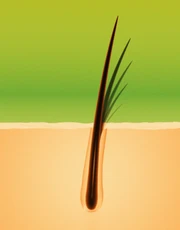
Hair has no nerves, but each hair grows from a follicle surrounded by nerve endings. When you move your hair in a different direction, you tug on those follicles. If the scalp is sensitised by tension, inflammation or shedding, that small pull is felt as pain.
This scalp pain or tenderness is called trichodynia. It’s a symptom, not a diagnosis, so the aim is to find what’s behind it.
The short answer
A sore scalp is usually caused by tight hairstyles, tension headaches, heavy shedding or an inflamed scalp condition. Hair itself can’t feel pain, but the nerves around each follicle can. Most scalp pain isn’t serious, but a few causes need a doctor quickly.
What causes a sore scalp?
There’s often more than one cause. These are the most common:
- Tight hairstyles, which over time can lead to traction alopecia
- Wearing your hair the same way for years
- Heavy shedding, such as telogen effluvium
- Headaches and migraine
- Scalp conditions, including folliculitis, seborrhoeic dermatitis, psoriasis and reactions to products
- Stress and anxiety
Scalp pain is very real even when there’s nothing to see, and it can be worrying, especially when it comes with hair loss. Finding the cause is the first step to easing it.
When scalp pain needs a doctor
Most scalp tenderness isn’t serious. But please see a doctor the same day if:
- You’re over 50 and have a new headache, a tender scalp at the temples, pain in your jaw when chewing, or any change in your vision. This can be giant cell arteritis, which needs urgent treatment to protect your sight.
- You have burning or stabbing pain on one side, followed by a rash or blisters. This may be shingles, which is best treated early.
- You have a lump, a wound that won’t heal, or pain after a head injury.
- You feel unwell, with a fever or a hot, red, swollen area of the scalp.
A scalp that is sore, red and losing hair in one area also needs checking early, as a few rare conditions, known as scarring alopecia, damage the follicles.
How to soothe a sore scalp
There’s no single fix for scalp pain, because what helps depends on the cause. Easing tension on the scalp helps some people, while for others the answer is treating shedding, an inflamed scalp, headaches or stress.
That’s why so many remedies only work for a while. Once we know what’s behind your pain, I can explain what will help and what to expect.
How I can help
At a consultation in Forest Row we spend about an hour together. I listen to your experience, examine your hair and scalp closely with a dermascope and take a full history. Scalp pain with no visible cause is real, and I take it seriously.
You leave with an explanation of what’s causing the pain, what to expect and a written plan.
Questions about a sore scalp
If yours isn’t here, send me a message and I’ll get back to you.
Why does my hair hurt when I move it in another direction?
Moving your hair tugs on the follicles, which are surrounded by nerves. If your scalp is sensitised by tight styles, shedding, tension or inflammation, that pull feels sore.
Why do my hair roots hurt?
Hair roots usually hurt because the scalp around them is tender, from tight styles, heavy shedding, headaches or an inflamed scalp. The hair itself can’t feel pain.
Is scalp pain a sign of hair loss?
It can go with it. Scalp tenderness is common during heavy shedding and in some scarring conditions. If you’re losing more hair than usual, get it checked.
What is trichodynia?
Trichodynia is the medical name for pain, tenderness or burning in the scalp. It’s a symptom with many possible causes rather than a condition in itself.
Can stress make your scalp hurt?
Yes. Stress tightens the muscles around the head and lowers your threshold for pain, so the scalp can feel tender or burning.
Why does my scalp hurt after taking my ponytail down?
The follicles have been held under tension, and releasing them can bring on a sore, bruised feeling. If it happens often, it’s worth having your scalp checked.
Let’s find out what’s going on
Book online at a time that suits you. If you have a question first, send me a message.